One of the many mitzvot mentioned in our parashah is the mitzvah of Aliyah LaRegel — ascending to Yerushalayim (Jerusalem) three times a year. Jews would travel from far and wide to stand before Hashem (God) in the Beit HaMikdash (Holy Temple) on Pesach, Shavuot, and Sukkot, bringing karbanot (sacrifices) and rejoicing together as one nation.
The Torah tells us:
“Three times a year, all your males shall appear before the Master, Hashem.” (Shemot 23:17)
But what is the deeper message behind this mitzvah?
The Ramban (Rabbi Moshe ben Nachman) explains that the Shalosh Regalim (3 Pilgrimage Festivals) are carefully aligned with the three major stages of the agricultural cycle— precisely at times when a person is most tempted to feel, “I worked hard. I earned this. This is the result of my effort.”
- Pesach — when the crops first begin to emerge.
- Shavuot — at harvest time, when the grain is cut and gathered.
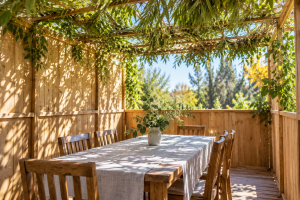
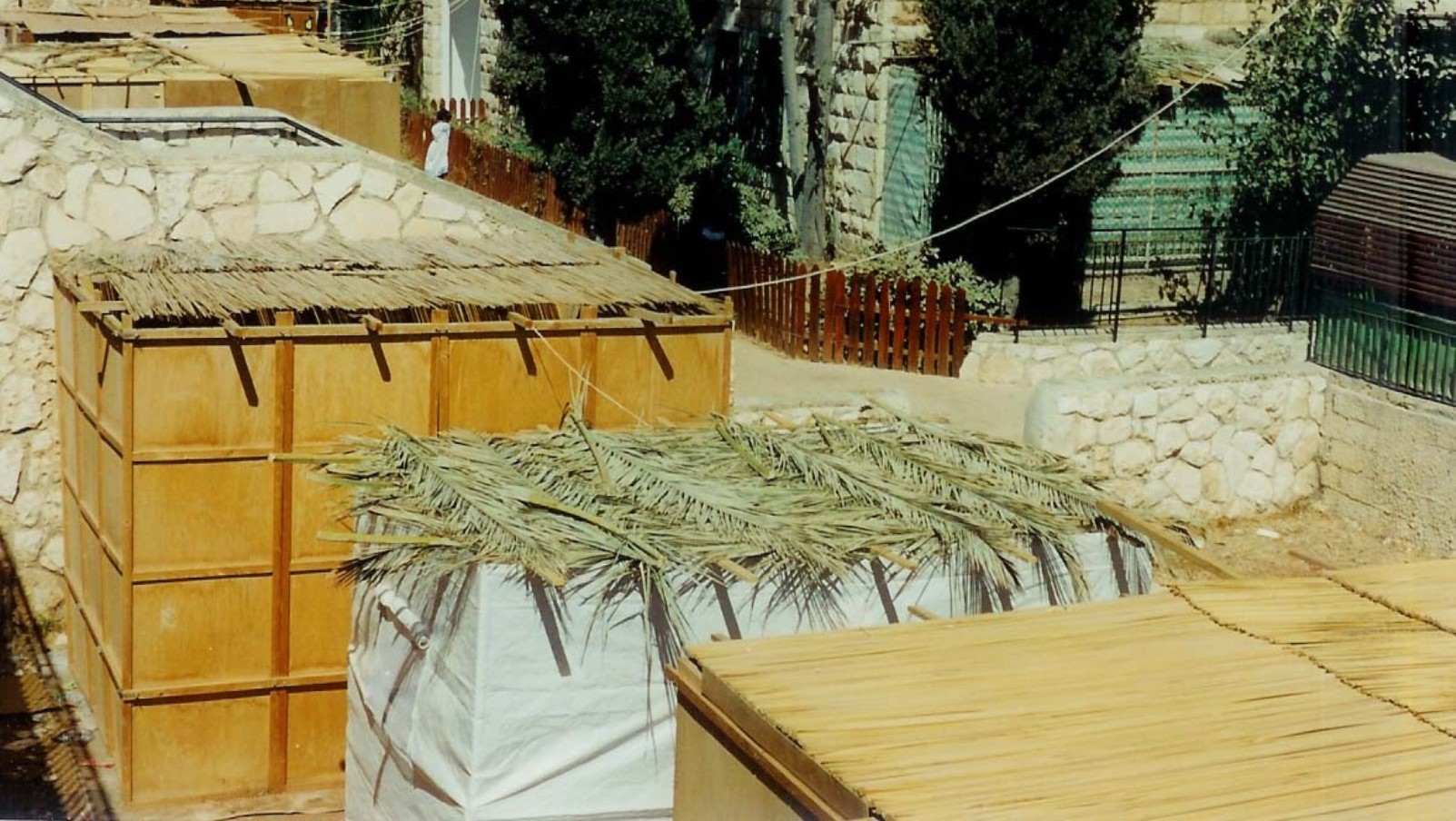
- Sukkot — when everything has been fully collected and stored.
At each stage, just as success begins to feel tangible and secure, Hashem tells us: Come to Yerushalayim. Stand before Me.
Why?
Because agriculture — like life itself — depends on countless factors beyond human control. Rain must fall at the right time. The sun must shine in proper measure. The soil must remain healthy. A single storm, drought, or infestation can undo months of labor.
What we call “nature” is, in truth, Hashem’s constant and loving involvement.
The Ramban teaches that the purpose of being oleh laregel is to thank Hashem for the good He bestows and to internalize that everything comes from Him— not from our strength, not from our intelligence, not from our plans.
The pasuk (verse) itself hints to this:
“Before the Master, Hashem.”
The word Adon reminds us that Hashem is not only the Creator who once formed the world, but our Master and Sustainer — the One who actively provides for us every single day.
At first glance, however, one might assume that the main theme of the Regalim is something else entirely — Yetzi’at Mitzrayim (the Exodus from Egypt). After all, in the Shemoneh Esrei (Amidah prayer) and in Kiddush of every chag (holiday) we say, “Zecher l’yetzi’at Mitzrayim.”
So which is it? Agriculture or Exodus?
In truth, they are one and the same.
One of the most powerful messages of Yetzi’at Mitzrayim is that Hashem is not distant. He is not detached. He is not a Creator who set the world into motion and stepped away.
This is why the first of the Aseret HaDibrot (Ten Commandments) introduces Hashem as “the One who took you out of Mitzrayim,” rather than “the One who created the heavens and the earth.”
Many believed that Hashem created the world and left it to operate on its own. Yetzi’at Mitzrayim shattered that illusion. Through open miracles, the world witnessed that Hashem controls what we call “nature,” and can overturn it in a moment (Ibn Ezra 20:2).
The Ramban famously teaches that from the great revealed miracles, we learn to recognize the hidden miracles that fill our daily lives.
In truth, our parnassah, our health, our stability, the very rhythm of existence — all of it is miraculous. The only reason it appears “natural” is because it is consistent.
Consistency is not proof of nature. It is proof of ongoing kindness.
This is why the festivals are connected both to Yetzi’at Mitzrayim and to the agricultural cycle (as explained by Rabbi Dovid Falk, Inyano Shel Yom, p.18). The festivals train us to see the miraculous within the ordinary.
Even today, without a Beit HaMikdash, this message remains central to the Mo’adim (festivals). Yom Tov is not only about remembering what once was. It is about recognizing what is.
Look at the food on our tables. The layers of process, effort, transport, timing, growth, and coordination required for a single loaf of bread are staggering. And yet it feels routine.
That itself is the miracle.
The Menorat HaMa’or, an early 14th century leading rabbi, records a remarkable story about a certain tzaddik (righteous person).
Each time he ate, he would dress in elegant clothing and gather his students — also dressed respectfully — and together they would sing praises to Hashem.
He was asked: Why such ceremony for something as simple as a meal?
He answered: If I were imprisoned or traveling without food, I would pay a fortune for a piece of bread and water. Baruch Hashem (thank God), I live in peace with abundance before me.
“If I had to plant, harvest, grind, knead, and bake myself,” he continued, “how much would I toil — as Adam HaRishon did? Yet when I wake up in the morning, everything is prepared.”
How could one eat casually?
How could one not sing?
Aliyah LaRegel was not merely a pilgrimage.
It was perspective.
Three times a year, a nation left its fields, its businesses, its routines — and walked to Yerushalayim to remind itself of a simple, life-altering truth:
Nothing is self-made.
Nothing is automatic.
Nothing is “just nature.”
Everything is from Hashem. And everything calls for gratitude.
By Rabbi Daniel Shasha, author of “Living Appreciation”